

Articles
Felt compaction vs contamination: do you know the difference?
After you install a new felt, it's normal for its dynamic permeability (the combination of airflow and vacuum) to fall. This means the felt is compacting. However, contamination will also make it denser.
To distinguish between these two possible causes for a denser felt, you need to…

Why a felt may become too dense (and how to avoid it)
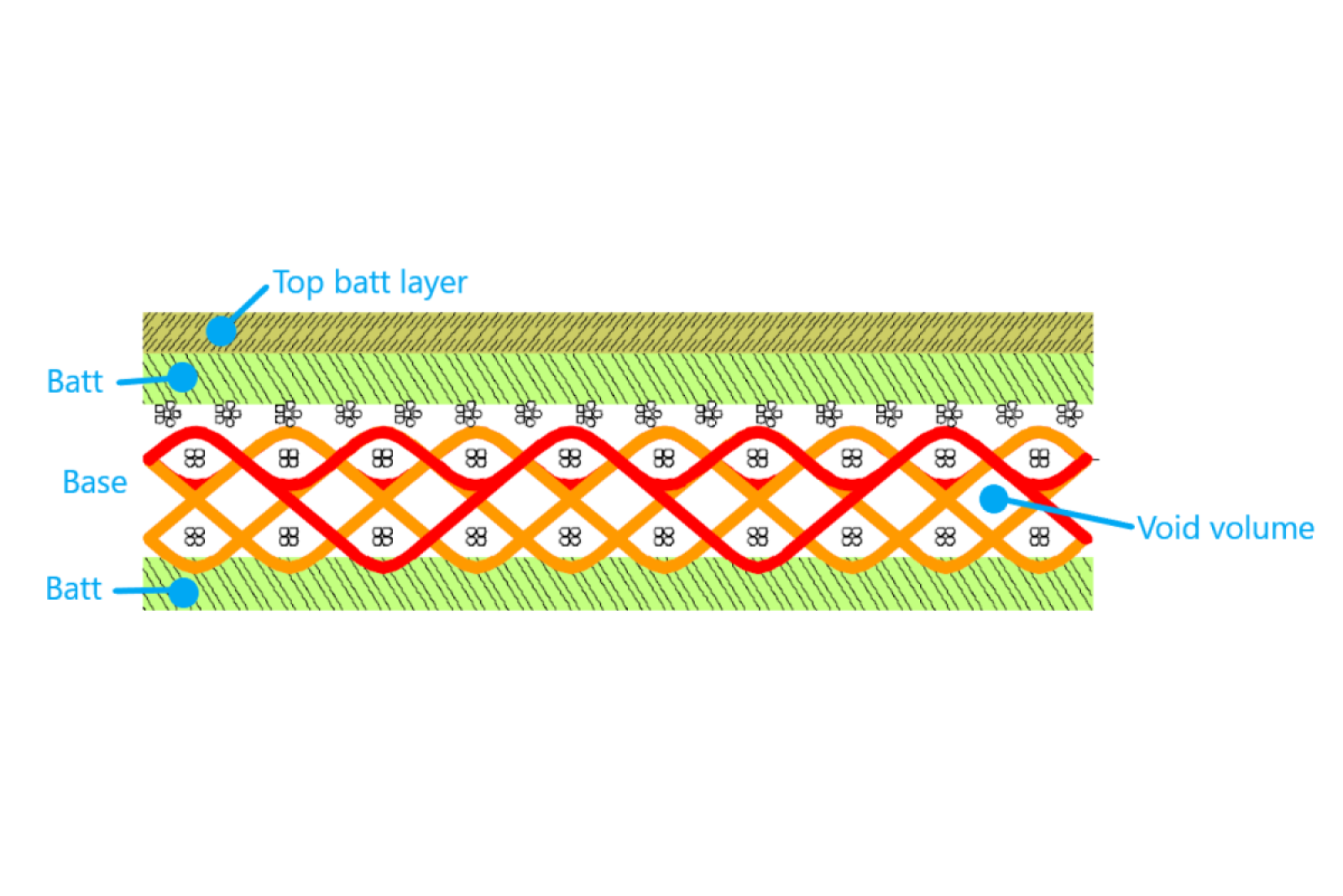
The batt's top layer should act as a one-way valve, allowing water to flow down towards the base, but not back up. Avoid excessive density to prevent dewatering issues at the nip entry. Learn why felt may become too dense and how to prevent it in the article.
How permeability changes over a felt’s lifetime
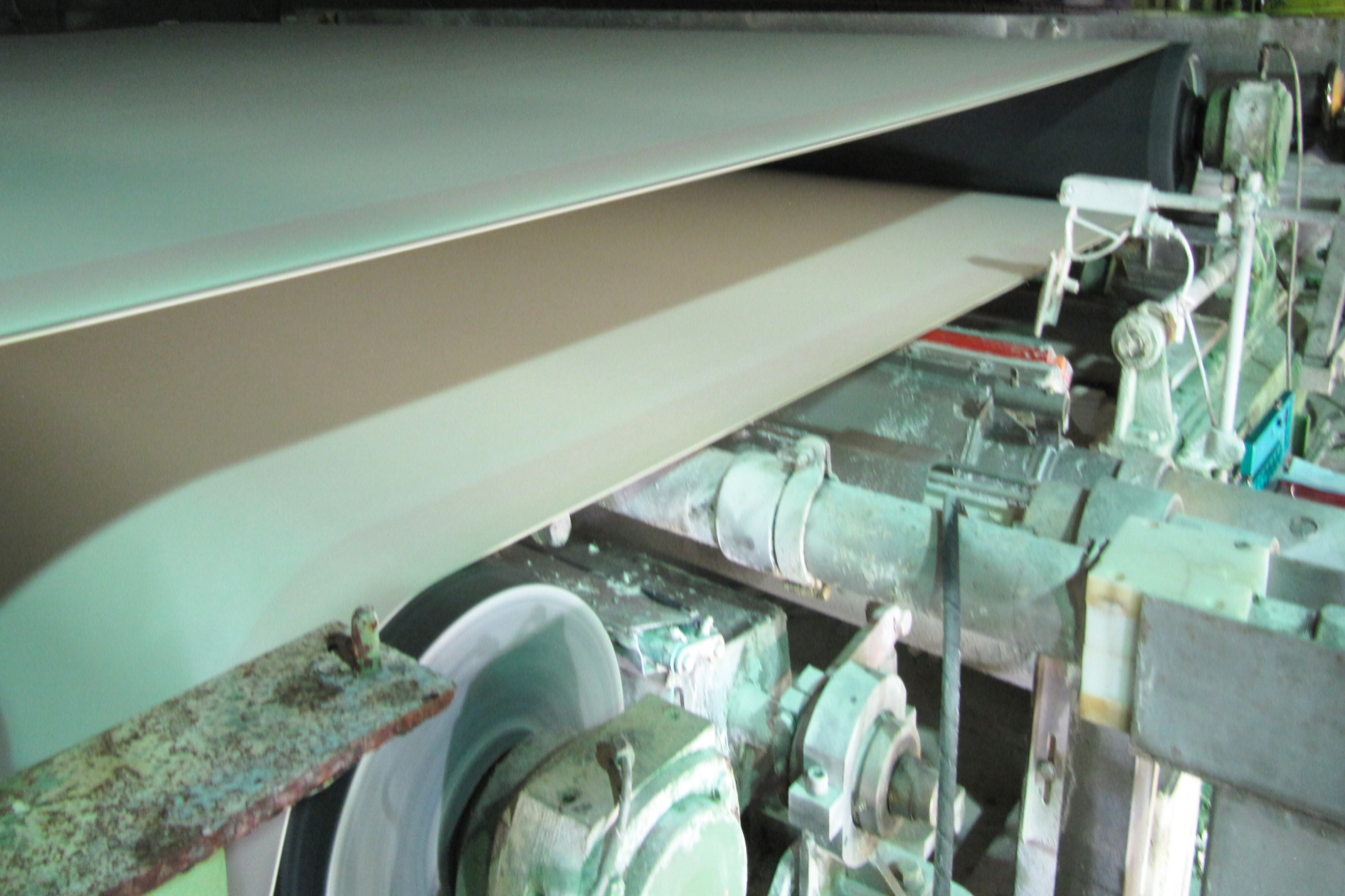
The press felt's key role is to remove water from the sheet without damaging its strength or surface quality. However, unlike other machine components, press felts' permeability and behavior change over their lifetime…
Felt Permeability: a Simple Breakdown
A lot of papermakers come to our website to learn about felt permeability and how it affects the performance of their paper machine. In this blog series, we share a simple breakdown of what felt permeability is, and why it matters.

Best Practices for Paper Machine Dryer Sections
A mill in the Netherlands faced frequent breaks at the pickup roll, about 12 times daily, costing over 7% of production time. Despite trying weekly cleanings, changing doctor blades, and short circulation boil-outs, the breaks persisted. Read our blog to learn how to tackle these problems in-house.
Troubleshooting tip: how to spot speed difference problems and reduce machine breaks
A mill in the Netherlands faced frequent breaks at the pickup roll, about 12 times daily, costing over 7% of production time. Despite trying weekly cleanings, changing doctor blades, and short circulation boil-outs, the breaks persisted. Read our blog to learn how to tackle these problems in-house.

How to design high-performing press felts
Designing a successful press felt is an art form. One that requires a careful blend of technical expertise, data, and gut feeling from a real human—the press felt designer. I believe a greater understanding of the complexity of press felts is key to unlocking innovation—and in turn, helping papermakers produce more paper.
(Part 1/3) Breaking a Dangerous Habit
It’s the perceived cost and risk of running PMC trials that causes our industry to play it safe. But this status quo chains papermakers to their PMC suppliers, killing innovation and the long-term survival of the mill. We need to break this dangerous paper production habit.

(Part 2/3) Maximize Your PMC - Maximize Your Mill
Focusing on innovation maximizes value from paper machine clothing, and in return, will future proof your mill. While PMC tests and trials may seem inconvenient, they are profitable long-term. Consider these three key principles for PMC trials. Each paper machine is unique, so apply these principles to your specific situation.

Part (3/3) The magical effect of PMC trials - a case study
A 1960s graphic paper machine in the Netherlands, running at 150% of its design speed, faced numerous vibration issues. The fourth press caused felt life to drop to two weeks, and press roll covers lasted just 4-6 weeks, with excessive wear on the granite counter roll. Read more to learn how felt life increased from 4 to 9 weeks.

Solving guiding problems on forming fabrics
When a forming fabric misaligns, it causes significant problems and costs, including potential destruction if it hits the machine frame. Continuous corrections lead to excessive wear and high expenses. This article explains fabric guiding principles and offers tips for papermakers to systematically solve guiding issues.

Introducing three new tools for better paper machine performance
As 2022 ends, it's the perfect time to optimize your paper production. To help, we've launched three new products enabling daily felt tests in just 20 minutes. Gain more data and insights to enhance your paper machine output.
Where the Felt Baseline Meets the Bottom Line
Recently, we compared the results of another question held during a survey in our most recent and highly successful webinar, How to Assess Press Felts, to the results of the same question in a LinkedIn poll….Well, we ended up scratching our heads when we reviewed the results.

How much life is REALLY left in your felt?
Press felts are the paper machine's lungs. Like a marathon runner with optimal breathing, ideal permeability ensures peak machine performance. However, despite the catchy phrase, "perfect permeability" for a press felt doesn't exist.

How to determine the right Fuji Film type?
Our Fuji pressure-sensitive film aids in investigating press load distribution on paper machines, identifying misalignment, crowning deviations, and roll cover issues. Feltest offers various Fuji Film sensitivities, but selecting the right type can be challenging. This article aims to clarify the selection process.

5 tips to prevent Sheet Stealing - Trouble Shooting Guide
"Edge stealing": sheet edge sticks to felt at nip exit.
"Sheet stealing": entire sheet sticks at nip exit.
"Edge flipping" or "blowing": sheet edge detaches, sometimes creating a double layer.
"Sheet stealing" is most common. Here are 5 prevention tips.

5 tips for forming fabrics that will not lay flat
The forming section can only deliver the “best possible sheet” when the forming fabric lays flat. Waviness, ridges, or wrinkles disturb the weight and dewatering profiles of the sheet and therefore must be avoided. Here are 5 easy solutions against wrinkles and ridges of forming fabrics:
Dependency on PMC suppliers
Producing paper is capital-intensive, with financial experts heavily influencing operations. Reducing costs is a key responsibility for Production Managers, and it's essential. However, we must focus on the right type of cost reduction to avoid future expenses that could be detrimental to long-term success.

How to maximize Paper Machine Clothing value through innovation
This article is the follow up on the previous article about Dependency on PMC suppliers. Below I’d like to share the practical principles and actions that spring from an innovative mindset, ensuring a paper mill gets maximum value from its paper machine clothing. You can read them as guidelines in making your paper mill and paper machine future proof, ensuring a competitive advantage.

How measuring felt thickness revolutionized nip dewatering
In the 1980s, press felt performance was judged by the sheet's appearance, with little knowledge of the felt's internal behavior. Nip dewatering introduced the need for more detailed information. Thick, bulky press felts are unsuitable for nip dewatering. This blog post explores the relationship between nip dewatering and the Feltest CaliperProfiler.